

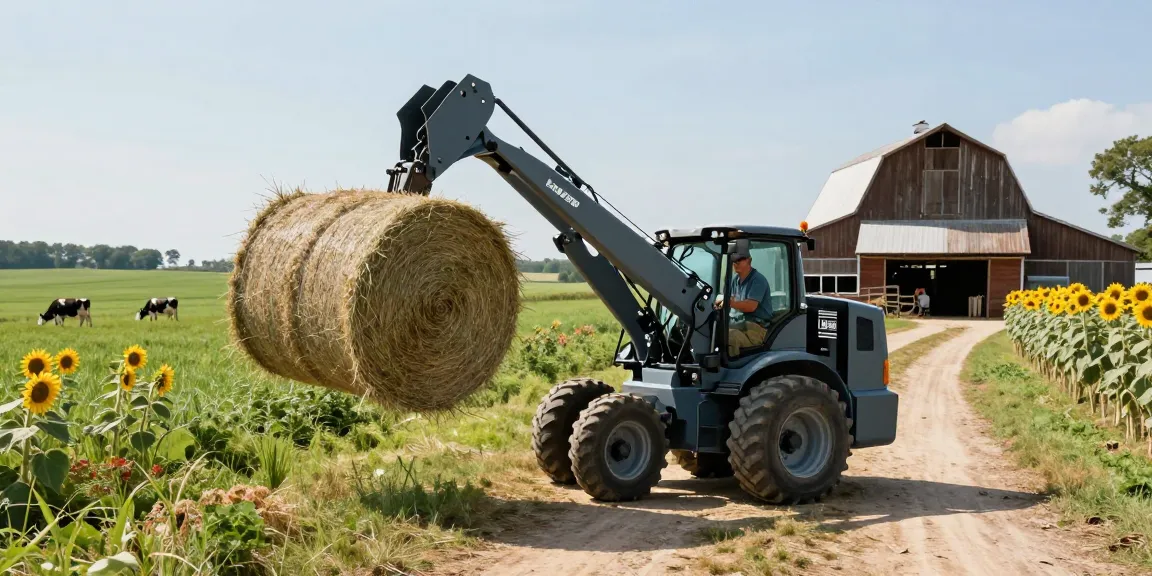
Understanding Electric Loaders: A Farmer’s Best Choice
Electric loaders are rapidly gaining traction among farmers as they seek efficient, sustainable solutions for their agricultural operations. With advancements in battery technology and electric power systems, these machines offer capabilities that match or exceed traditional diesel-powered loaders while providing significant benefits to both productivity and environmental responsibility. When exploring options, the best farm electric loader combines strength, efficiency, and sustainability for the modern farmer.
What is an Electric Loader?
An electric loader is a type of material handling equipment designed to lift and transport materials using electric power rather than traditional fuel sources. These machines utilize electric motors powered by rechargeable batteries, providing a quieter, emission-free alternative for tasks such as moving heavy loads, excavating, and loading materials on farms.
Benefits of Using Electric Loaders for Farm Operations
- Environmental Benefits: Electric loaders produce zero emissions, which reduces the carbon footprint of farming operations. This is particularly important as sustainability becomes a critical focus in agriculture.
- Lower Operating Costs: The costs associated with electricity are typically lower than those for diesel fuel, coupled with less maintenance required for electric motors compared to combustion engines.
- Quieter Operation: The noise generated by electric loaders is significantly less than that of their diesel counterparts, allowing for more pleasant working conditions and less disturbance in rural areas.
- Improved Safety: With fewer moving parts and reduced vibrations, electric loaders offer enhanced stability and ease of operation, reducing the risk of accidents on the farm.
How Electric Loaders Improve Efficiency on Farms
Electric loaders contribute to operational efficiency by streamlining tasks that require lifting and moving heavy materials. Their capability to operate for extended periods on a single charge means less downtime for farmers, enabling them to complete more work in a shorter timeline. Additionally, electric loaders often come equipped with advanced technology, such as load sensing systems and automated controls, which optimize performance based on real-time workload requirements.
Key Features of the Best Farm Electric Loaders
Lifting Capacity and Performance Metrics
The lifting capacity of electric loaders is a critical feature that directly affects their usability on farms. Many models can handle upwards of 3,300 pounds, making them versatile enough for various tasks, from loading bales of hay to moving heavy machinery. Understanding the specific weight requirements of your farm will help you select the right loader that can meet your needs without compromise.
Battery Life and Charging Infrastructure
Battery life is another vital consideration when selecting an electric loader. Farmers should look for models that offer long-lasting batteries (such as 48V lithium-ion batteries) with efficient charging time. Availability of charging infrastructure on the farm must also be considered—ensuring that there are sufficient charging stations accessible to minimize downtime during busy operational periods.
Environmental Impact and Sustainability
As agriculture continues to evolve towards more sustainable practices, electric loaders stand out for their reduced environmental impact. Beyond eliminating emissions, the use of electric loaders can lead to significant energy savings, especially as renewable energy sources become more integrated into farming operations. Farmers are increasingly recognizing that sustainable practices can lead to both improved yields and cost savings over time.
Choosing the Right Electric Loader for Your Farm Needs
Assessing Your Farm’s Specific Requirements
To choose the best electric loader for your operation, it’s essential to assess your specific needs, including load demands, terrain types, and size constraints. For example, smaller farms may benefit from compact models with high maneuverability, while larger operations may require machines with higher lifting capacities and longer battery life.
Comparing Electric Loaders: Top Models in 2026
As technology advances, new models and features continuously come onto the market. In 2026, farmers can expect to see electric loaders equipped with advanced telemetry systems that allow for performance tracking and preventive maintenance alerts. Additionally, recent models are likely to offer interchangeable battery systems, enhancing flexibility and minimizing downtime during peak harvest periods.
Cost Considerations and Return on Investment
Investing in electric loaders might seem daunting due to the initial purchase price. However, farmers should calculate the total cost of ownership, including maintenance, fuel savings, and potential grants for using sustainable equipment. The long-term savings on operational costs often make electric loaders a more economically viable option when compared to diesel-powered alternatives.
Real-World Applications: Success Stories Using Electric Loaders
Case Study: Transforming a Dairy Farm’s Operations
A dairy farm in Texas adopted electric loaders for their daily operations, resulting in a 30% increase in efficiency during the feeding and material handling processes. The owners noted that not only did their energy costs decrease, but the quieter operation of the loaders significantly improved the well-being of their livestock.
How a Vineyard Harnessed Electric Loaders for Harvest
A vineyard in California incorporated electric loaders during the harvest season, allowing for faster collection of grapes. With a lifting capacity that suited their needs, the electric loaders helped minimize damage to the crops and improved the overall processing time. The vineyard reported a substantial reduction in labor costs while enhancing their sustainability profile.
Innovative Uses of Electric Loaders in Crop Management
Electric loaders have also found innovative uses in crop management, assisting farmers in transporting soil amendments, fertilizers, and pesticides. Their ability to navigate tight spaces and maneuver around delicate crops has proven invaluable in maintaining operational efficiency without compromising crop yield or quality.
Future Trends in Farm Equipment: What Lies Ahead
Predictions for Electric Loader Technologies
The future of electric loader technology is bright, with advancements in battery technology promising increased capacities and reduced charging times. Innovations such as solar-powered charging stations are also on the horizon, allowing for even greater sustainability in agricultural practices.
Advancements in Automation and Smart Farming
As the agricultural sector leans more into automation, electric loaders will likely adopt smart functionalities, including AI-driven performance monitoring and predictive maintenance. These technologies will assist farmers in optimizing their operations, leading to more accurate fieldwork and resource management.
Preparing for Future Challenges in Farming
Farmers today face numerous challenges, from climate change to labor shortages. Electric loaders can play a critical role in addressing these issues, offering solutions that enhance operational efficiency and resilience. As agricultural demands grow, being prepared with the right equipment will be crucial for future success.
Frequently Asked Questions
What makes an electric loader the best choice for farms?
Electric loaders are an excellent choice due to their environmental benefits, lower operating costs, reduced noise levels, and improved safety features. They are designed to handle the diverse and demanding tasks found on modern farms.
How does battery life impact productivity on farms?
Battery life is crucial as it determines how long the electric loader can operate before needing a recharge. Longer battery life means less downtime and greater efficiency, allowing farmers to complete tasks without interruptions.
What are the most significant benefits of using electric equipment?
The primary benefits of electric equipment include reduced emissions, lower operating costs, enhanced safety, and quieter operation. These advantages align well with the sustainability goals of modern agriculture.
How can I assess the ROI of an electric loader?
To assess the return on investment, consider the initial purchase price, ongoing operational costs (such as charging and maintenance), and potential savings from reduced fuel expenses. Evaluating the productivity gains over time will also provide insights into ROI.
What future technologies should farmers watch for?
Farmers should keep an eye on advancements in battery technology, automation, and smart farming innovations. Emerging technologies will likely enhance the capabilities and efficiency of electric loaders, making them an even more vital asset in agriculture.