

Understanding the Stainless Steel Basin Manufacturing Process
The production of stainless steel basins involves intricate processes that require precision, high-quality materials, and advanced technology. In a stainless steel basin factory, these factors intertwine to create products that not only meet consumer demands but also comply with rigorous quality standards. The entire manufacturing process entails several phases, from the selection of raw materials to the final quality assurance checks. Understanding these processes is essential for both manufacturers and consumers who seek to engage with reliable suppliers.
When exploring options, stainless steel basin factory insights can provide comprehensive knowledge directly from industry experts.
What Goes into Production at a Stainless Steel Basin Factory?
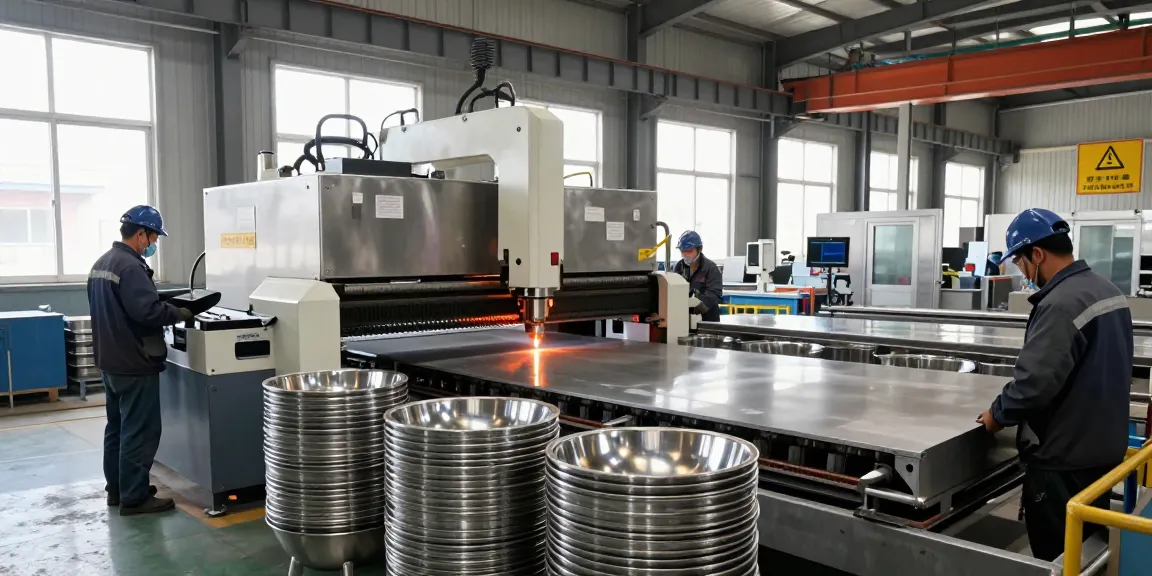
At the heart of a stainless steel basin factory is the creation of durable and aesthetically pleasing products. The production begins with the selection of high-grade stainless steel, commonly known for its corrosion resistance and longevity. Factories typically utilize sheets of stainless steel that are cut to size according to the specifications of various basin designs. This cutting process can be executed using laser cutting machines, ensuring precision and reducing material waste.
Once cut, the sheets undergo shaping processes such as stamping, bending, and welding. These steps are critical in forming the desired basin shape and ensuring structural integrity. Automated machinery plays a significant role here, allowing for a high degree of consistency and speed in production. Moreover, some factories employ robotic arms to handle heavy sheets and perform repetitive tasks, further enhancing efficiency.
Key Machinery and Technology Used in Factories
The machinery employed in stainless steel basin manufacturing is pivotal to achieving high-quality results. Key pieces of equipment include:
- Laser Cutters: For precision cutting of stainless steel sheets.
- Hydraulic Presses: Used for stamping and shaping the steel into the desired basin form.
- Welding Machines: Essential for joining pieces together, ensuring durability and stability of the basins.
- Polishing Machines: For achieving a smooth and shiny finish that enhances the basin’s aesthetic appeal.
Additionally, factories increasingly integrate technologies like computer-aided design (CAD) to enhance design capabilities and streamline production workflows.
Quality Control Standards in Stainless Steel Basin Production
Quality control is an integral part of manufacturing stainless steel basins. Factories often adhere to international standards, such as ISO 9001, which establishes guidelines for maintaining quality management systems. Rigorous testing occurs at various stages of production, including:
- Material Testing: Ensuring the stainless steel used meets specific composition standards.
- Dimensional Checks: Verifying that the finished products conform to designated measurements.
- Durability Testing: Assessing the basins’ resistance to dents, scratches, and corrosion.
By implementing robust quality assurance processes, manufacturers can deliver products that meet or exceed customer expectations.
Identifying Quality in Stainless Steel Basins
When selecting stainless steel basins, understanding the characteristics of high-quality products is key. Consumers should be aware of what to look for to ensure they are making a sound investment in durable and reliable kitchen or bathroom fixtures.
Signs of High-Quality Stainless Steel Products
High-quality stainless steel basins exhibit several key features:
- Uniform Finish: A consistent and polished surface indicates that the basin has undergone proper manufacturing techniques.
- Thickness: Thicker stainless steel (usually 16 gauge or higher) provides better durability and reduces noise when in use.
- Weld Quality: Inspecting welds for smoothness and uniformity can reveal the craftsmanship behind the product.
Common Defects to Look for When Purchasing
Purchasing a stainless steel basin requires vigilance to avoid defects that might compromise its functionality or appearance. Common issues to watch for include:
- Scratches or Dents: Surface imperfections that can occur during manufacturing or handling.
- Poor Seam Alignment: Misaligned seams may weaken the structure and lead to leaks.
- Discoloration: Stains or discolorations can indicate inferior materials or lack of proper treatment.
How Material Quality Affects Longevity and Performance
The grade of stainless steel used in a basin significantly impacts its performance and lifespan. Higher grades, such as 304 or 316 stainless steel, offer superior corrosion resistance and durability. While these materials may come at a higher initial cost, their longevity and minimal maintenance requirements make them a cost-effective choice in the long run.
Choosing the Right Stainless Steel Basin Factory
Selecting a reliable factory to source stainless steel basins can be daunting, given the myriad of options available. However, certain factors can aid in making an informed decision.
Evaluating Factory Certifications and Standards
Before partnering with any stainless steel basin factory, it’s vital to check their certifications. Look for factories that comply with industry standards such as:
- ISO 9001 for quality management
- ISO 14001 for environmental management
- OSHA compliance for workplace safety
These certifications are indicators of a factory’s commitment to excellence and ethical practices.
Customer Reviews and Reputations: What to Consider
Researching customer feedback can provide insights into the reliability and quality of a factory’s products. Pay attention to reviews on various platforms, including:
- Company website testimonials
- Industry forums and discussion boards
- Social media reviews
A factory with a robust reputation and positive reviews is more likely to provide quality products and services.
Understanding the Importance of Manufacturing Transparency
Transparency in manufacturing processes signifies a company’s confidence in its practices. Factories that openly share information about their production methods, materials, and quality control measures tend to foster trust among potential buyers. Don’t hesitate to ask questions or seek detailed explanations about their operations.
Cost Considerations When Buying from a Factory
While cost is a significant factor in purchasing stainless steel basins, it shouldn’t be the only consideration. Balancing price and quality is crucial to ensure a worthwhile investment.
Analyzing the Price vs. Quality Equation
It’s essential to consider how price correlates with the quality of the product. Cheaper basins may be appealing, but they often compromise on quality and durability. Consider evaluating the total cost of ownership, which includes installation and maintenance expenses, to determine long-term value.
How to Negotiate Prices with Suppliers
Negotiating with factory suppliers is a standard practice that can lead to better pricing or terms. Here are some strategies to employ:
- Research market standards to establish a baseline for negotiations.
- Consider ordering in bulk, as this often qualifies for discounts.
- Build a relationship with the supplier to foster goodwill and trust.
Understanding Shipping and Handling Costs
Shipping and handling can significantly affect the overall cost of purchasing from a factory. Be sure to account for:
- Shipping methods and timelines
- Packaging materials and their associated costs
- Any tariffs or import duties that may apply
Clarifying these elements upfront can prevent unexpected expenses later on.
Future Trends in Stainless Steel Basin Manufacturing
The stainless steel basin industry is evolving, influenced by technology advancements and changing consumer demands. Staying informed about these trends can help manufacturers and consumers adapt and thrive.
Emerging Technologies Influencing Manufacturing Processes in 2026
As we move toward 2026, several emerging technologies are likely to shape the manufacturing landscape:
- 3D Printing: This technology can enable rapid prototyping and customization of basin designs.
- Automation and AI: Enhanced automation will streamline production workflows, reduce human error, and increase output efficiency.
- Smart Manufacturing: The integration of IoT devices will allow for real-time monitoring of the manufacturing process, leading to improved quality control.
Sustainability Practices in the Industry
Sustainability is becoming increasingly important in manufacturing. Many factories are adopting practices that minimize waste and energy consumption, such as:
- Using recycled materials in the production of stainless steel.
- Implementing energy-efficient machinery.
- Adopting sustainable packaging solutions.
Future Consumer Preferences and Their Impact on Production
As consumer preferences shift toward more eco-conscious and aesthetically pleasing products, manufacturers will need to adapt. This includes offering innovative designs that cater to modern tastes while ensuring that sustainability remains at the forefront of production.
What are the best practices for cleaning and maintaining stainless steel basins?
Maintaining stainless steel basins requires regular care to prevent staining and scratching. It is recommended to use mild detergents, soft cloths, and non-abrasive cleaners. Regularly polishing the surface can enhance its shine and resistance to water spots.
How do I choose the right basin for my kitchen or bathroom?
Choosing the right basin hinges on factors such as size, design, and intended use. Consider the available space, the design of fixtures, and the specific functionalities you require. Opt for basins that provide both style and practicality.
What advantages do stainless steel basins have over other materials?
Stainless steel basins offer several advantages, including superior durability, resistance to corrosion and stains, and an elegant aesthetic that complements various design styles. They are also easier to clean and maintain compared to other materials like ceramic or stone.
How does the manufacturing process affect the price of stainless steel basins?
The manufacturing process significantly impacts pricing. Factors such as material costs, technological integration, labor, and quality control measures all contribute to the final price. A factory that invests in advanced machinery and quality materials will typically produce higher-priced, yet superior products.
What are the most common types of stainless steel basins available?
The market offers various types of stainless steel basins to suit different needs:
- Undermount Sinks: Installed beneath the countertop for a seamless look.
- Top-Mount Sinks: Sits on top of the countertop, making installation easier.
- Farmhouse Sinks: Characterized by a deep basin and exposed front, suitable for traditional and modern kitchens alike.