

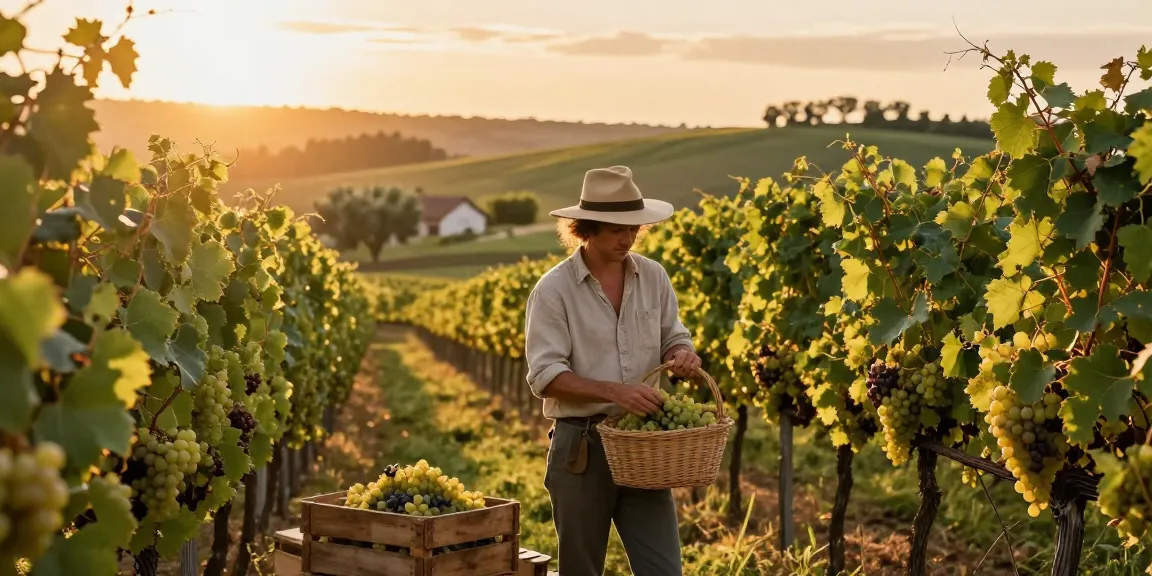
Understanding the Unique Terroir of Long Island Wines
The terroir of Long Island is a fascinating aspect that contributes richly to the character and quality of its wines. In the world of viticulture, terroir encompasses the unique combination of soil, climate, and geography that affects the growth of grapevines, ultimately influencing the taste of the wine produced. For those looking to delve deeper into the intricacies of Long island wines, understanding the elements of terroir is essential.
What is Terroir and its Importance?
Terroir is a French term that refers to the environmental factors that affect a crop’s phenotype, including things such as the climate, soil, topography, and even the local traditions and practices in viniculture. In wine production, it is a critical concept as it helps explain why wines from different regions taste distinctly different. Long Island’s unique terroir—characterised by its maritime climate and diverse soil types—plays an essential role in shaping the flavour profiles of its wines.
Climate Influences on Wine Production
The climate on Long Island is heavily influenced by the surrounding Atlantic Ocean, which moderates temperature and provides a unique growing season. This maritime influence allows grapes to ripen slowly, enhancing their flavour and acidity. The warm days and cool nights also contribute to a balanced acidity, with the absence of extreme temperature fluctuations ensuring that the grapes develop their full potential. Understanding this climate is crucial for wine producers aiming to create high-quality wines.
Soil Types and Their Impact on Grape Quality
Long Island boasts a variety of soil types, including sandy loam, clay, and gravel, each providing distinct benefits to grapevines. Sandy soils promote good drainage, essential for preventing excess moisture that can lead to disease. In contrast, clay soils retain moisture and nutrients, supporting robust vine growth. This diversity is vital for growing various grape varieties, ensuring that wine producers on Long Island can craft a wide range of wines that express the characteristics of their specific terroir.
Key Grape Varieties Thriving in Long Island
Signature Varieties of Long Island Wines
Long Island is renowned for its signature grape varieties which perform exceptionally well due to the region’s unique conditions. Among these are Merlot, Cabernet Franc, and Chardonnay, each bringing its own character to the local viticulture scene. Merlot is particularly celebrated, often exhibiting ripe fruit flavours balanced by elegant tannins, making it a favourite for both casual drinkers and serious connoisseurs.
Emerging Grape Types to Watch in 2026
As the wine industry evolves, so too does the exploration of new grape varieties. Emerging varieties such as Petit Verdot and Albariño are starting to gain traction on Long Island. Petit Verdot, traditionally used for blending, is being recognised for its potential as a standalone wine, while Albariño is capturing attention for its refreshing qualities, ideal for the region’s warmer summer months. The 2026 vintage is expected to highlight these new selections and their adaptation to Long Island’s terroir.
Pairing Recommendations for Each Variety
Pairing Long Island wines with food can enhance the dining experience. Here are some suggestions:
- Merlot: Pairs beautifully with roasted meats, particularly lamb or beef.
- Chardonnay: Complements seafood dishes, especially grilled fish and creamy sauces.
- Cabernet Franc: Works well with tomato-based dishes, such as pasta and pizza.
- Albariño: Ideal with shellfish and light salads, enhancing the freshness of the meal.
Winemaking Techniques Specific to Long Island
Traditional Versus Modern Winemaking Methods
On Long Island, there is a unique blend of traditional and modern winemaking techniques. Many wineries still embrace classic methods, such as hand-harvesting and spontaneous fermentation, ensuring that each bottle remains true to its origins. Conversely, modern techniques, including temperature-controlled fermentations and advanced vineyard management practices, are becoming increasingly common, helping to produce wines of exceptional quality.
Influence of Local Regulations on Production
Local regulations play a significant role in maintaining the quality and integrity of Long Island wines. The New York State regulations ensure that wines meet specific standards and are labelled correctly, which helps consumers make informed choices. These regulations also promote sustainable practices, encouraging wineries to adopt methods that protect the environment while still producing high-quality wines.
Innovative Techniques for Quality Enhancement
Innovation in the wine industry is key to improving quality and sustainability. Many Long Island wineries are adopting advanced viticultural practices, including precision agriculture, to analyse soil and vine health. Techniques such as cover cropping, integrated pest management, and the careful selection of clone varieties are being employed to enhance grape quality and yield, ensuring the region continues to produce outstanding wines for years to come.
Exploring Long Island’s Wine Regions and Estates
Must-Visit Wineries and Their Features
Long Island is home to numerous acclaimed wineries, each offering unique experiences. Notable estates include Wolffer Estate, known for its stunning views and exceptional Rosé wines, and Bedell Cellars, famous for its organic practices and commitment to sustainability. Touring these wineries not only provides a taste of their offerings but also an insight into their winemaking philosophy.
Tourism Impact on Local Wine Industry
The tourism aspect of Long Island’s wine industry has grown significantly, attracting visitors from around the globe. Wine tours and tastings have become a popular activity, contributing to the local economy and helping wineries reach a broader audience. This influx of tourists also promotes local gastronomy, with many wineries partnering with local chefs to create food-and-wine pairing events.
Events and Festivals Celebrating Long Island Wines
Throughout the year, Long Island hosts a variety of wine-related events and festivals that celebrate its rich viticultural heritage. Events such as the Long Island Wine and Food Festival and the Harvest Festival allow attendees to sample wines from various producers, engage with winemakers, and enjoy local cuisine. These gatherings not only promote local wines but also strengthen community ties.
The Future of Long Island Wines: Trends and Predictions
What to Expect from 2026 and Beyond
Looking forward to 2026, the Long Island wine industry is expected to continue evolving. With climate change influencing growing conditions, producers will need to adapt to new challenges while also seizing opportunities to innovate. Expect to see greater diversity in grape varieties and an increased emphasis on sustainability practices across the board.
Sustainability Practices in Wine Production
Sustainability is becoming a core focus for many Long Island wineries, aligning with global trends in environmentally-conscious production. Practices such as organic farming, the use of renewable energy, and water conservation measures are gaining traction. As consumer awareness grows, these sustainable practices will likely drive purchasing decisions, pushing more wineries to adopt eco-friendly methods.
Consumer Preferences and Market Changes
The preferences of wine consumers are continually shifting, with an increasing demand for transparency and quality over quantity. As millennials and Gen Z consumers seek wines that align with their values—such as sustainability and ethical production—the Long Island wine industry will need to adjust its marketing and production strategies to cater to these changing tastes.
What are the Best Long Island Wines for Beginners?
For those new to Long Island wines, starting with approachable varieties like Merlot or Riesling is advisable. These wines tend to have fruit-forward profiles and balanced acidity, making them enjoyable for a wide range of palates. Additionally, many producers offer tasting flights that allow beginners to explore different varietals in a single visit.
How to Pair Long Island Wines with Food?
Pairing is essential for enhancing the enjoyment of wine. General guidelines suggest that lighter wines, such as Sauvignon Blanc, are best matched with lighter dishes like salads and seafood, while heavier reds like Cabernet Sauvignon are suited for rich, hearty meals. Experimenting with local cuisine can lead to delightful discoveries that highlight the unique qualities of Long Island wines.
What Makes Long Island Wines Unique Compared to Other Regions?
Long Island wines stand out due to their unique combination of climate, soil, and winemaking techniques. The region’s maritime climate allows grapes to develop exceptional aromatic and flavour profiles, while the diverse soil contributes to complexity. Additionally, the commitment to quality and innovation in winemaking practices sets Long Island wines apart on the global stage.
Are There Organic Options in Long Island Wines?
Yes, there is a growing trend towards organic winemaking in Long Island. Many wineries are embracing organic practices, utilising sustainable methods to cultivate their vines without synthetic chemicals. This not only enhances the quality of the wine but also appeals to environmentally-conscious consumers looking for organic and biodynamic options.
How to Participate in Long Island Wine Tastings?
Participating in wine tastings can be a wonderful way to experience Long Island wines. Many wineries offer guided tastings, where guests can learn about the wines and the local terroir. To make the most of your experience, consider booking a tour, attending events, or visiting during peak harvest season to engage with winemakers and taste their latest releases.