

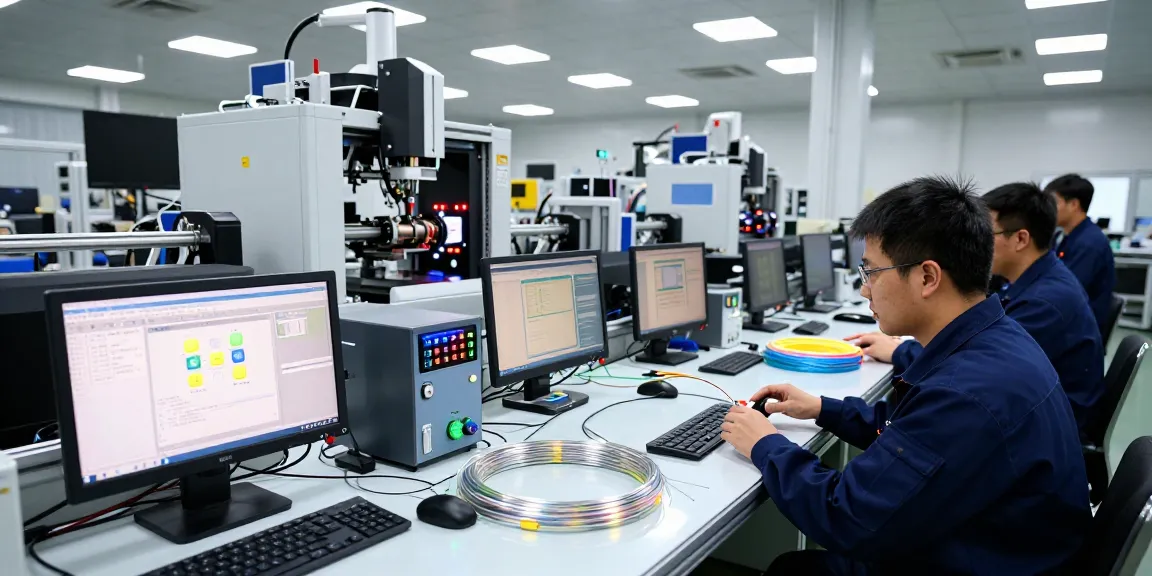
Understanding fc Fiber Technology and Its Significance
In today’s rapidly evolving digital landscape, the importance of robust fiber optic networks cannot be overstated. As businesses increasingly rely on high-speed data transmission, understanding fc fiber technology becomes essential. This high-performance solution not only enhances connectivity but also meets the demands of modern communication networks, supporting everything from data centers to cutting-edge AI infrastructures. When exploring options, fc fiber provides comprehensive insights into how these solutions revolutionize connectivity.
What is fc Fiber and How Does It Work?
fc fiber, or fiber connectivity fiber, is a specialized type of optical fiber designed to meet the rigorous requirements of various networking environments. It utilizes light for data transmission, allowing for faster speeds and greater bandwidth compared to traditional copper cables. Through the use of a core that is surrounded by cladding, fc fibers minimize signal loss and interference, thus ensuring high-quality data transfer. The construction of fc fiber involves advanced materials that can handle the ever-increasing demands of modern applications, making it a pivotal component in telecommunications, internet services, and enterprise networking.
The Role of fc Fiber in Modern Communication Networks
The integration of fc fiber technology into communication networks has transformed how data is transmitted across vast distances. Its primary role is to facilitate high-speed, reliable data transfer, which is critical for applications like cloud computing, streaming services, and virtual reality. By providing low latency and high bandwidth, fc fiber enables seamless communication and supports the increasing volume of internet traffic. Additionally, its scalability means that networks can easily adjust to growing demands, making it an ideal choice for businesses planning for the future.
Benefits of High-Performance fc Fiber Solutions
High-performance fc fiber solutions come with a plethora of benefits that are vital for today’s networks:
- Speed: Fiber optics transmit data at the speed of light, allowing for rapid communication.
- Bandwidth: fc fiber supports higher bandwidths compared to traditional copper wires, accommodating more users and devices.
- Durability: Fiber optics are less susceptible to environmental factors, ensuring consistent performance.
- Future-Proofing: As demands for data increase, fc fiber can be upgraded without significant infrastructure changes.
- Enhanced Security: Fiber optics are more secure from eavesdropping compared to copper, making them ideal for sensitive data transmission.
Challenges in fc Fiber Procurement
Common Misconceptions About Fiber Procurement
Despite its many advantages, there are misconceptions surrounding the procurement of fc fiber. Many believe that integrating fiber optics into their infrastructure is prohibitively expensive or too complex. In reality, while initial investments can be significant, the long-term savings in energy efficiency and increased data capacity often offset these costs. Moreover, advancements in technology have simplified procurement processes, making it easier than ever for businesses to access high-quality fiber solutions.
Supply Chain Complexities in the Fiber Industry
The fiber optic industry is not without its supply chain complexities. Global demand for fiber optics has surged, leading to increased pressure on manufacturers and suppliers. This can result in longer lead times and challenges in maintaining consistent inventory levels. To navigate these complexities, businesses must establish strong relationships with trusted fiber suppliers who can ensure timely delivery and maintain quality standards.
How to Overcome Procurement Obstacles
To effectively overcome procurement challenges, companies should consider the following strategies:
- Utilizing a Preferred Customer Pricing Program (PCPP): Programs like the PCPP offered by FiberElectronics provide cost-effective purchasing options that can save businesses time and money.
- Building Relationships: Developing strong partnerships with suppliers ensures priority access to materials and support during times of high demand.
- Staying Informed: Keeping abreast of industry trends and innovations enables businesses to anticipate changes and adapt accordingly.
Best Practices for Efficient fc Fiber Sourcing
Utilizing the Preferred Customer Pricing Program (PCPP)
The Preferred Customer Pricing Program (PCPP) from FiberElectronics allows businesses to streamline their procurement processes effectively. By joining this program, companies can lock in pre-negotiated pricing based on their annual run rates, leading to substantial cost savings. Furthermore, the PCPP facilitates better inventory management, allowing businesses to maintain optimal stock levels without incurring additional costs. This program also provides immediate access to the latest advancements in fc fiber technology, ensuring that companies remain competitive in a rapidly evolving market.
Strategies for Effective Inventory Management
Effective inventory management is crucial in ensuring that businesses can meet demand without overspending. Strategies for managing fc fiber inventory include:
- Establishing Min/Max Levels: Setting thresholds for when to reorder supplies can help prevent shortages and reduce excess inventory.
- Utilizing Automation: Implementing inventory management software can streamline processes and provide real-time data on stock levels.
- Regular Reviews: Conducting periodic reviews of inventory practices will help identify areas for improvement and optimize operations.
Leveraging Same-Day Fulfillment for Competitive Advantage
In an industry where time is of the essence, leveraging same-day fulfillment services can provide a significant competitive edge. Companies that can quickly respond to customer needs are more likely to retain clients and attract new ones. By partnering with suppliers that offer rapid shipping and fulfillment, businesses can ensure that critical projects are completed on time and that they maintain a reputation for reliability.
Real-World Applications of fc Fiber Technology
Case Studies in Telecom and Data Centers
Real-world applications of fc fiber technology are vast, especially in the telecom industry. For instance, major carriers have implemented fc fiber to enhance their networks, resulting in faster internet services and improved customer satisfaction. In data centers, the use of fc fiber has allowed for higher-density connections that reduce latency and increase bandwidth significantly. These advancements have been critical in supporting large-scale cloud computing and data storage solutions, exemplifying the technology’s practical benefits.
Innovations in Optical Sensing Solutions Using fc Fiber
Beyond telecommunications, fc fiber is being used in innovative optical sensing solutions. These applications include seismic monitoring, structural health assessments, and environmental monitoring. By employing passive fiber optic sensors, businesses can gather real-time data about their environments, leading to improved safety and efficiency in various industries, including construction and environmental science.
Impact of fc Fiber on AI Infrastructure Development
As artificial intelligence continues to grow, the need for robust infrastructure becomes critical. fc fiber technology is at the forefront of this development, providing the necessary bandwidth and speed to support AI applications. From training data models to facilitating real-time processing, fc fiber ensures that AI systems can operate efficiently and effectively, paving the way for innovative solutions across sectors such as healthcare, finance, and autonomous systems.
The Future of fc Fiber: Trends and Predictions for 2026
Emerging Technologies in Fiber Optics
The future of fc fiber technology is bright, with emerging trends poised to reshape the fiber optics landscape. Innovations such as silicon photonics and co-packaged optics are set to enhance performance and reduce manufacturing costs. These technologies will allow for even higher data rates and will be increasingly important as more industries transition to fiber-based infrastructures.
Growth Projections for fc Fiber Markets
Market projections indicate robust growth for the fc fiber sector, driven by increasing data consumption and the expansion of 5G networks. Analysts expect the demand for high-capacity optical fibers to rise significantly as businesses invest in infrastructure to support cloud services and IoT applications. This growth trend underscores the importance of staying ahead of market demands and ensuring readiness for future challenges.
Preparing for Regulatory Changes in Fiber Manufacturing
As the fiber optics industry evolves, so too do regulatory frameworks governing manufacturing and procurement practices. Companies should stay informed about potential regulatory changes, particularly those related to environmental sustainability and materials use. Adapting to these changes in a proactive manner can help businesses maintain compliance and potentially gain a competitive advantage.
What Are the Key Opportunities for Businesses?
Businesses operating in the fiber optics industry can seize several key opportunities moving forward:
- Investment in R&D: Companies that allocate resources towards research and development will drive innovation and product enhancements.
- Collaborative Partnerships: Partnering with technology firms can foster innovation and lead to new applications of fc fiber technology.
- Global Expansion: Exploring international markets can open up new customer bases and increase revenue channels.
How Will fc Fiber Technology Shape Future Communication?
Ultimately, fc fiber technology will play a pivotal role in shaping the future of communication. As demands for faster and more reliable connections continue to rise, fiber optics will become increasingly prevalent in various applications, from enhanced internet services to advanced AI capabilities. The ability to adapt and innovate will be essential for businesses looking to remain competitive in this dynamic landscape, solidifying fc fiber’s position as a cornerstone of modern communication networks.