

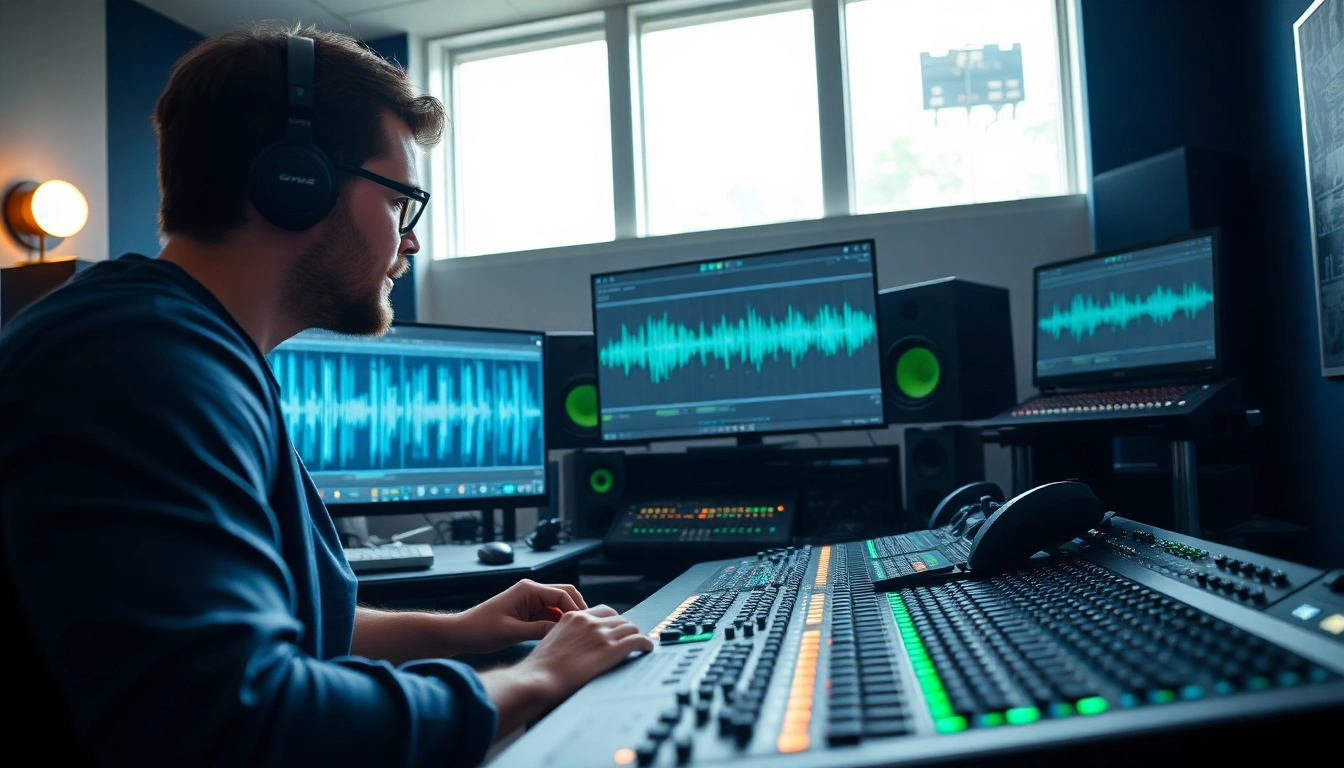
Understanding Online Mastering
What is Online Mastering?
Online mastering is the digital process of preparing and transferring recorded audio from a source to a data storage device. Unlike traditional mastering, which may involve physical formats and in-studio equipment, online mastering takes place entirely online, utilizing software and cloud-based services. This allows musicians and producers to submit their audio tracks to specialists remotely, ensuring that their music reaches its optimal quality before release. By harnessing internet technology, artists can easily access professional mastering services without the limitations of geographical boundaries.
Importance of Online Mastering for Musicians
For musicians, the quality of sound is paramount. Online mastering plays a critical role in achieving a polished and professional sound that can stand alongside tracks from established artists. High-quality mastering enhances the audible frequency spectrum, ensuring that music sounds balanced across all listening devices, from studio monitors to earbuds. Furthermore, in today’s digital landscape, where streaming services dominate, a well-mastered track can significantly impact a song’s reception and success. Investing in online mastering not only elevates the production quality but also increases the likelihood of listener engagement and playlist placements.
How Online Mastering Differs from Traditional Methods
The primary difference between online mastering and traditional mastering methods lies in accessibility and convenience. Traditional mastering requires physical studio space and specialized equipment, often creating logistical challenges such as travel and scheduling conflicts. In contrast, online mastering services allow artists to upload their mixes directly from home, streamlining the process significantly. Moreover, online mastering often provides artists with more options in terms of stylistic preferences and access to numerous audio professionals, effectively democratizing the quality of sound available to independent creators.
Choosing the Right Online Mastering Service
Key Features to Look For
When selecting an online mastering service, consider key features that align with your artistic and technical needs. First and foremost, ensure the service offers high-resolution audio processing. Look for platforms that provide various mastering presets or styles, allowing you to choose the sound that fits your genre. Additionally, reviewing the capability of audio analysis tools offered, such as waveform visualizations and frequency response plots, can guide your decision-making. Finally, check if the service provides clear communication options and quick turnaround times to meet your deadlines effectively.
Evaluating Turnaround Time and Pricing
Timing and budget are crucial elements in the online mastering process. Compare the turnaround times among various services, understanding that expedited options may incur additional costs. For pricing, look beyond straightforward packages; assess the value offered, such as additional revisions, mixing feedback, and file format options. Balancing quality with affordability can be tricky, so ensure that the service you choose aligns with both your pocketbook and your timing needs for project releases.
Reading Reviews and Testimonials
Before making a final decision, delve into customer reviews and testimonials. Real experiences shared by fellow musicians can provide invaluable insights into the quality of service received, the professionalism of the team, and the overall satisfaction with the final product. Look for both praise and constructive criticism to gauge if potential inconveniences align with aspects you may prioritize in your own mastering journey. A service well-regarded in the community is often a reliable choice for artists seeking quality work.
Preparing Your Tracks for Online Mastering
File Formats and Specifications
Preparing your tracks with the correct file format and specifications is vital for achieving optimal results in online mastering. The most commonly accepted formats are WAV or AIFF files, primarily due to their lossless qualities which retain high fidelity during the mastering process. Ensure your tracks are at least 24-bit and 44.1 kHz in sample rate, as this is the standard for professional audio quality. Also, double-check that there’s sufficient headroom in your mixes—aiming for no peaks above -6 dB—to avoid distortion during the mastering phase.
Common Mistakes to Avoid
Artists often fall into several pitfalls when preparing their tracks for mastering. One major error is sending mixes that are not final; always ensure that you’re happy with the mix before uploading. Another common mistake is neglecting to apply proper gain staging, which can lead to muddied sound when mastered. Lastly, avoid heavy processing like excessive compression or limiting; the mastering engineer will appreciate having a cleaner mix to work with, allowing for more nuanced adjustments.
Best Practices for Mixing Before Mastering
To ensure a smooth transition to the mastering stage, adhere to best practices when mixing your tracks. Maintain clarity by cleaning up each individual track and removing unnecessary frequencies that might interfere with the overall sound. Use reference tracks to evaluate your mix, ensuring it stands up well in comparison to professional songs in your genre. Finally, consider getting feedback from trusted peers or collaboration partners to catch issues that might be overlooked during the production process.
DIY Online Mastering: Tips and Tools
Essential Software for Online Mastering
For ambitious artists looking to take on the mastering process themselves, several software options can streamline your efforts. Digital Audio Workstations (DAWs) like Logic Pro, Ableton Live, or plugins like iZotope Ozone provide powerful tools specifically designed for mastering. Consider using software that includes features like EQ, compression, and stereo imaging to craft a polished sound. Lastly, familiarize yourself with mastering-specific plugins to ensure you’re truly optimizing your tracks for distribution.
Techniques for Home Mastering
When attempting home mastering, a few techniques can greatly enhance your results. Start with equalization by cutting unwanted frequencies and boosting those that enhance clarity. Implement compression to achieve a cohesive sound, ensuring dynamics are preserved. Don’t shy away from utilizing stereo widening techniques judiciously to give depth to your tracks. Use reference tracks as a benchmark, taking care to align your sound with the richness and dynamics found in professionally mastered tracks.
When to Seek Professional Help
While DIY online mastering can be an alluring option, there are pivotal moments when enlisting professional help is wise. If you’ve spent considerable time mixing but still feel unsure about the quality, a professional’s expertise can transform your track. Additionally, if you’re looking to release music that competes on a larger scale, professional mastering ensures you meet industry standards. Finally, as audio technology evolves, collaborating with an experienced engineer can provide you with fresh insights and innovative techniques that elevate your work.
Measuring Success in Online Mastering
Key Performance Metrics for Your Tracks
Understanding the metrics that define the success of your mastered tracks is essential for future growth. Track performance can be measured through streaming numbers, download rates, and overall listener engagement. Analyzing these metrics provides insight into how well your tracks resonate with audiences and can guide your future projects. Moreover, assessing how your music is received can help in tailoring your marketing efforts for maximum impact.
How to Use Listener Feedback Effectively
Listener feedback is a goldmine for artists aiming to refine their sound. Actively solicit feedback through social media, fan forums, and peer networks, ensuring that the input is constructive. Use tools like online surveys or comment sections to gather insights into what listeners appreciate and what areas need improvement. This feedback can inform both your mixing and mastering strategies, guiding you toward adjustments that elevate overall sound quality.
Iterating Based on Streaming Analytics
Streaming analytics provide powerful insights into listener behaviors and preferences. Evaluate data such as listener demographics, skip rates, and engagement times to understand how your mastered tracks are performing. This information can highlight which parts of a song capture attention or potentially turn listeners away. Use these insights to iterate on your current and future projects, ensuring you continually evolve in response to your audience’s tastes.
Frequently Asked Questions
1. What is the cost of online mastering?
The cost of online mastering varies widely based on factors like service quality, track length, and specific services included. Prices might range from $30 to several hundred dollars.
2. How long does online mastering take?
Turnaround times for online mastering depend on the service used. Standard timelines can range from a few days to a couple of weeks, but expedited options may be available.
3. Do I need to mix my tracks before mastering?
Yes, it’s crucial to have your tracks properly mixed before mastering. A balanced mix provides a better foundation for achieving professional-sounding results.
4. Can I trust online mastering services?
Many reputable online mastering services have proven success records. You can assess their reliability by reading customer reviews, testimonials, and checking industry standards.
5. What formats should I submit for online mastering?
WAV and AIFF files are typically recommended for online mastering due to their lossless quality. Ensure tracks are properly formatted for the best results.