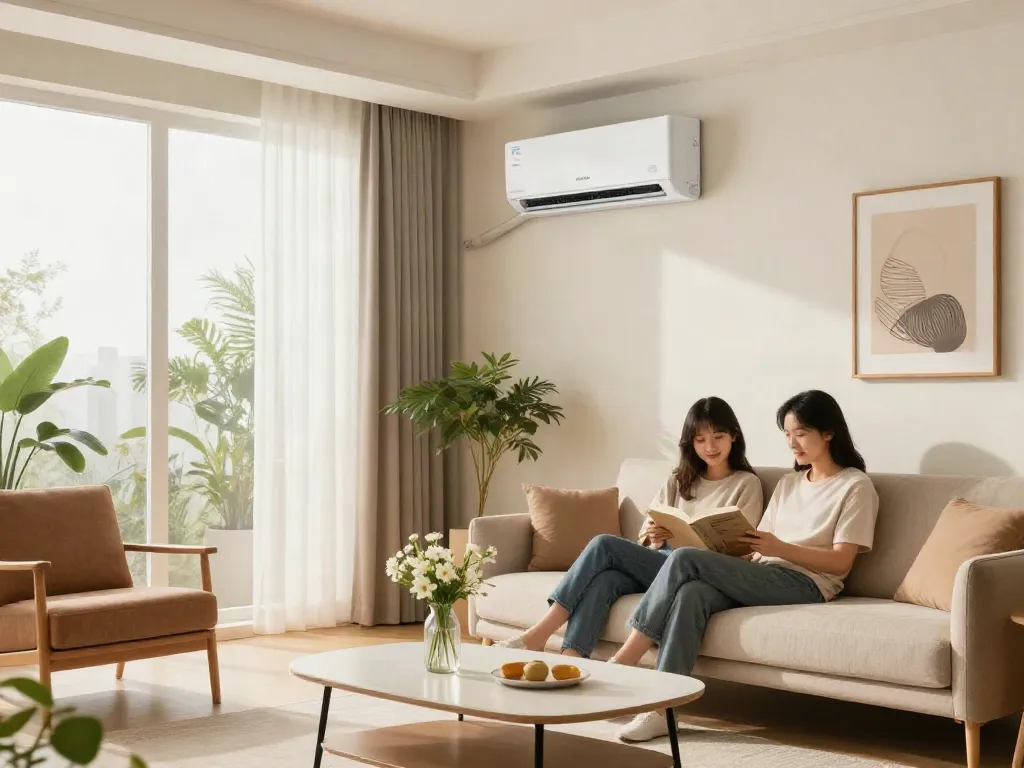
Understanding Mini Split Air Conditioners
As homeowners seek efficient climate control solutions, the mini split system has gained significant popularity. These modern HVAC units offer a versatile approach to heating and cooling, particularly in homes where traditional ductwork can be cumbersome or impractical. In this comprehensive guide, we will explore the fundamental aspects of mini split systems, the advantages they provide, and how they fit into contemporary living spaces.
What is a Mini Split System?
A mini split system, also known as a ductless mini split, is a type of heating and cooling system that allows for controlled temperature management in individual rooms or zones without the need for ductwork. Typically, a mini split consists of an outdoor compressor unit and one or more indoor air-handling units, which can be mounted on walls or ceilings. This split design enhances energy efficiency and operational flexibility, making it ideal for various residential and commercial applications.
How Mini Split Systems Work
Mini split systems utilize heat pump technology to either cool or heat a space. The system operates based on the principles of refrigeration, transferring heat from one location to another. In cooling mode, the indoor unit draws warm air from the room, which is then cooled by the refrigerant circulating within the system. The cooled air is then released back into the space. Conversely, during the heating cycle, the process is reversed, allowing the indoor unit to draw heat from the outdoor air and transfer it indoors, even at low temperatures. This dual functionality makes mini splits an efficient year-round solution.
Key Benefits of Mini Splits for Homeowners
- Energy Efficiency: Mini split systems are known for their high energy efficiency ratings, often utilizing inverter technology that adjusts the compressor speed based on the required heating or cooling load.
- Flexible Installation: With no need for ductwork, mini splits can be installed in a variety of locations, including areas where traditional systems cannot reach.
- Individual Temperature Control: Each indoor unit can be independently controlled, allowing homeowners to optimize comfort in different rooms according to personal preferences.
- Quiet Operation: Mini split systems generally operate much more quietly than traditional HVAC systems, making them ideal for bedrooms and office spaces.
Evaluating Your Home’s Cooling Needs
Understanding your home’s specific cooling needs is vital when considering a mini split system. Assessing factors such as room size, insulation quality, and climate conditions will help you make an informed decision about the right system for your home.
How to Determine the Right Size Mini Split?
Choosing the correct size mini split system is essential for effective and efficient cooling. An undersized unit will struggle to maintain a comfortable temperature, while an oversized system can lead to frequent cycling, reducing its lifespan and energy efficiency. The general rule of thumb involves calculating the cooling capacity needed in British Thermal Units (BTUs), which is often determined by a professional assessment based on room size and usage patterns.
Analyzing Energy Efficiency Ratings
Energy efficiency ratings, such as the Seasonal Energy Efficiency Ratio (SEER) and the Heating Seasonal Performance Factor (HSPF), are crucial indicators of a mini split system's performance. Higher ratings signify better energy efficiency, which translates to reduced utility costs over time. When selecting a mini split, look for models with SEER ratings of at least 15 or higher for optimal efficiency.
Considering the Layout of Your Home
The layout and design of your home greatly affect the performance of your mini split system. Open floor plans may require multiple indoor units to ensure even temperature distribution, while rooms with natural barriers may only need a single unit. Take time to assess how air will flow through your space to determine the best configuration for your mini split installation.
Installation Considerations for Mini Split Systems
Proper installation of your mini split system is critical for its performance and longevity. Whether choosing to go the DIY route or hire a professional, understanding the installation process can help ensure a successful setup.
Professional vs. DIY Installation: Pros and Cons
While some homeowners are tempted to install a mini split system themselves, professional installation often ensures a higher quality and more reliable setup. Professional installers are well-versed in local codes, safety precautions, and best practices. However, DIY enthusiasts can save on labor costs, provided they have the necessary skills and tools. Each option presents distinct pros and cons that should be weighed based on your experience level and willingness to tackle such tasks.
Common Installation Challenges and Solutions
Common installation challenges include selecting appropriate locations for the indoor and outdoor units, managing refrigerant lines, and ensuring proper drainage. Solutions often involve careful planning and consultation with installation experts to avoid improper placement and potential leaks. It's advisable to conduct a site assessment before installation to address potential obstacles upfront.
Cost Breakdown of Installation and Equipment
The cost of a mini split system can vary significantly based on the size of the unit, complexity of installation, and any necessary modifications to your home. Typically, homeowners can expect to pay between $3,000 and $5,000 for a complete system, including equipment and installation. Understanding the breakdown of costs can help you budget effectively and explore financing options if needed.
Maintaining Your Mini Split System
Regular maintenance of your mini split system is crucial to ensure its longevity and optimal performance. Neglecting routine care can lead to decreased efficiency and costly repairs down the line.
Regular Maintenance Tips for Longevity
To keep your mini split system running smoothly, consider the following maintenance tips:
- Clean or replace air filters monthly to ensure proper airflow and air quality.
- Inspect outdoor units for debris, leaves, or obstructions that may hinder performance.
- Schedule professional maintenance at least once a year to have the system thoroughly checked and serviced.
Identifying Signs Your System Needs Service
Being aware of signs that your mini split system may need servicing can help prevent further issues. Common indicators include unusual noises, fluctuating temperatures, an increase in energy bills, or the presence of strange odors. If you notice any of these signs, it may be time to consult a professional for service.
Seasonal Preparation Checklist for Mini Splits
Preparing your mini split system for seasonal changes can help ensure efficient operation year-round. Here’s a seasonal checklist to follow:
- Spring: Clean filters, check for leaks, and schedule maintenance before peak cooling season.
- Summer: Maintain airflow by keeping vents clear and check refrigerant levels.
- Fall: Prepare the outdoor unit for winter by covering it, if necessary, and cleaning the area around it.
- Winter: Inspect indoor units for dust and debris accumulation and ensure proper heating function.
Future Trends in Mini Split Technology
As we look toward 2026 and beyond, mini split technology is continuously evolving to meet the demands of modern homeowners. Anticipating future trends can help you make informed decisions about which systems to invest in.
Innovations Expected by 2026
Future innovations in mini split systems are expected to focus on enhanced energy efficiency and integration with smart home technologies. Emerging advancements may include improved inverter technology, which allows for even greater energy savings and performance optimization.
Smart Home Integration with Mini Split Systems
As smart home technology becomes more prevalent, integration with mini split systems is on the rise. Many new models are designed to connect seamlessly with smart thermostats and home automation systems, enabling remote control and personalized settings that enhance convenience and efficiency.
Comparing New Models and Features in the Market
With new models being released regularly, it's essential to compare features such as energy efficiency ratings, noise levels, and additional functionalities like air purification. Researching and staying updated on the latest offerings can help you select a mini split system that best fits your specific needs.
What are the disadvantages of a mini split?
While mini split systems offer numerous advantages, they are not without drawbacks. Potential disadvantages include higher upfront costs compared to traditional HVAC systems, aesthetic concerns regarding the placement of indoor units, and maintenance requirements that must be adhered to for optimal performance.
Are mini splits really worth it?
For many homeowners, the benefits of mini split systems—such as energy efficiency, flexibility, and comfort—far outweigh potential downsides. When properly installed and maintained, mini splits can provide effective climate control for years.
What does a mini split usually cost?
The costs associated with mini splits can vary based on features, brand, and installation complexity. As mentioned earlier, a budget of $3,000 to $5,000 is advisable for a complete system installation.
Do mini splits work in 100 degree weather?
Yes, mini splits are designed to function effectively in extreme temperatures, including when the temperature reaches 100 degrees Fahrenheit. Many models are engineered to operate efficiently even under such conditions, making them suitable for various climates.
How to choose the best mini split for your needs?
Choosing the best mini split involves assessing your specific requirements, including the size of the area to be cooled or heated, energy efficiency ratings, and whether you prefer advanced features like smart controls. It may also be beneficial to consult with HVAC professionals to determine the best match for your home.